Pankaj Sabharwal
Co-founder, Medora
Pankaj Sabharwal is an engineer and co-founder of Medora. He writes about building review-first AI workflows for allergy and asthma practices.
"18 Minutes to 4: 60 Days of Medora Inside a Real Allergy Clinic"
A 60-day look at what changed when a two-location allergy practice ran Medora's scribe in production — the numbers, the workflow, and the honest caveats. Every note in this pilot was reviewed and signed by a clinician.
Looking for an Abridge Alternative? What Independent Allergy Practices Should Weigh
Abridge is a leading enterprise ambient documentation platform with deep Epic integration. An independent allergy practice has different needs. Here is how to decide.

The Best AI Scribe for Allergy and Asthma Practices (2026): An Honest Buyer's Guide
What actually matters when an allergy and asthma practice chooses an AI scribe in 2026 — skin testing, immunotherapy, asthma follow-ups, EMR fit and price — and how the major options compare, including where Medora is and is not the right choice.
Dragon Copilot (DAX) Alternative for Allergists: What a Specialty Practice Should Check
Microsoft Dragon Copilot, formerly Nuance DAX Copilot, is an enterprise ambient documentation leader. Here is what an allergy and asthma practice should weigh before choosing it or an allergy-specific scribe.
Heidi Alternative for Allergists: Free to Try Versus Built for Allergy
Heidi is easy to try, with a free tier and several paid plans. Here is what an allergy and asthma practice should check before choosing a general scribe or an allergy-specific one.

Suki Alternative for Allergists: Breadth Versus Depth
Suki pairs ambient documentation with a voice assistant across a very wide range of specialties. For an allergy and asthma practice, the question is whether breadth or specialty depth matters more.
Why Phone Interpreters Add 10+ Minutes to Every Bilingual Allergy Visit
Phone interpreters can extend bilingual allergy visits, creating schedule delays and documentation challenges. Learn how digital interpretation streamlines clinical workflow.
Why Assessment & Plan Generation Is the Hardest Part of Allergy Documentation
Explore why Assessment & Plan generation creates the biggest documentation bottleneck for allergists and how AI scribe technology specifically designed for allergy practices addresses this challenge.
Why Medical Answering Service Alternatives Are Reshaping Allergy Practice Revenue
Learn how after-hours call management directly impacts allergy practice revenue and patient acquisition, plus alternatives to traditional medical answering services.
Medical Interpreter App for Clinics: Breaking Down Language Barriers in Real Time
Learn how real-time translation technology enhances Spanish-speaking allergy visits from 30-minute struggles to efficient clinical encounters with proper documentation.
AI Scribe for Allergists: How SOAP Note Generation Reshapes After-Hours Documentation
Learn how AI SOAP note generation helps allergists eliminate after-hours documentation burden and recover valuable time for patient care.
Beyond the Medical Answering Service: Why Allergy Clinics Need Smarter Call Routing
Learn how intelligent call routing systems can reduce front desk interruptions from routine refill and reschedule requests while improving patient access in allergy clinics.
Medical Interpreter App for Clinics: Beyond Spanish-English Translation
Explore why allergy practices need multilingual interpretation beyond Spanish-English, including clinical risks, technology solutions, and implementation strategies for diverse patient populations.
AI Scribe for Allergists: Ambient Listening During Patient Encounters
Learn how ambient AI listening helps allergists stop typing through patient visits and restore meaningful clinical connections while maintaining comprehensive documentation.
DeepScribe Alternative for Allergy Practices — the Specialty-Fit Test
General ambient scribes document the conversation. Allergy practices also need the testing, the schedules, and the evidence trail. How to run a specialty-fit test before you commit.

Looking for a Freed Alternative? What Allergy Practices Should Check First
Freed is a capable general-purpose AI scribe. Allergy is not a general-purpose specialty. The seven questions to ask before committing your practice to any scribe.
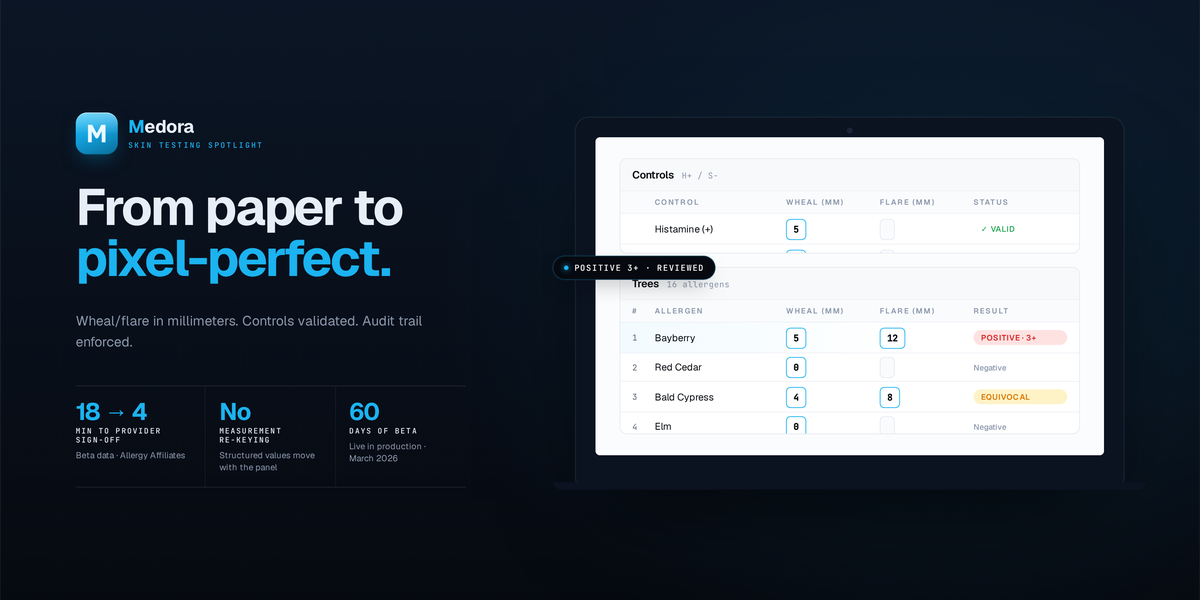
Sixty Days of Medora Inside a Working Allergy Practice
What actually happened when a real allergy clinic ran Medora daily for 60 days — 312 skin tests, provider sign-off from 18 minutes to 4, and the honest bumps along the way.

Beyond the Medical Answering Service Alternative: Capturing New Patients When Your Clinic Is Closed
Learn how allergy practices can capture new patients during nights, weekends, and lunch rushes through intelligent after-hours systems that go beyond traditional answering services.
Allergy AI for IMS Meditab Practices
What a live, native IMS Meditab integration actually changes for an allergy practice — and the honest checklist for practices on any other EMR.
The 2026 Buyer's Guide to AI for Allergy Practices
Seven questions that separate AI built for allergy practices from AI that merely demos well — a working checklist for the owner-allergist evaluating tools this year.
Why Your Medical Interpreter App for Clinics Needs to Connect to Patient Records
Why Your Medical Interpreter App for Clinics Needs to Connect to Patient Records. Breaking down language barriers without breaking visit flow in...
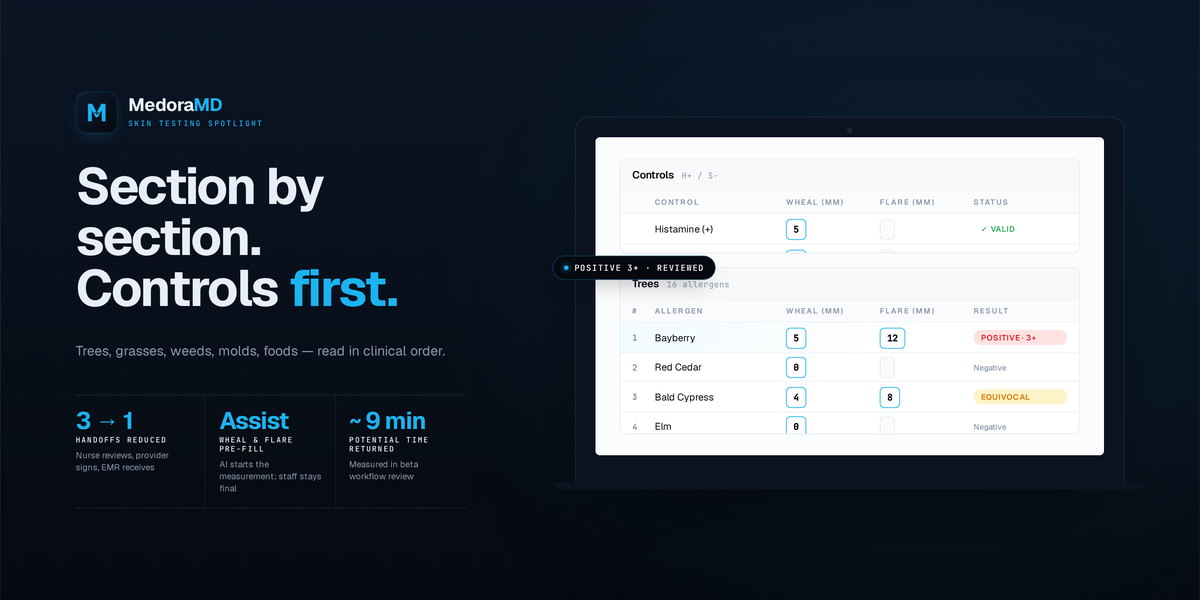
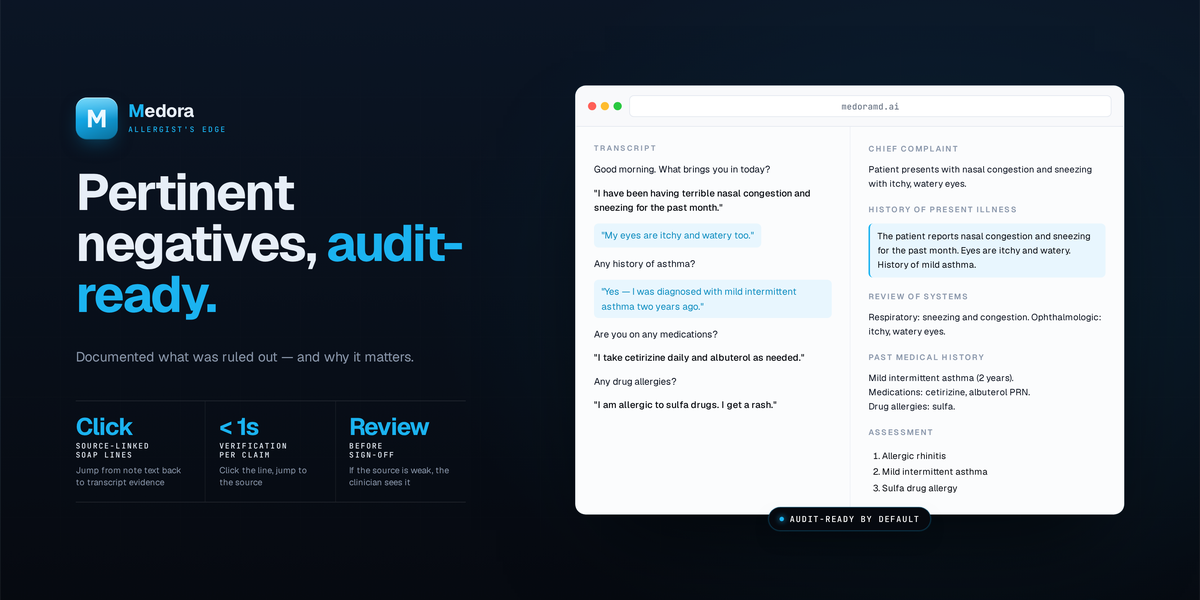
From Conversation to Reviewable Allergy Note: What Ambient Documentation Must Preserve
From Conversation to Reviewable Allergy Note: What Ambient Documentation Must Preserve. The clinical elements that matter when AI captures your allergy...

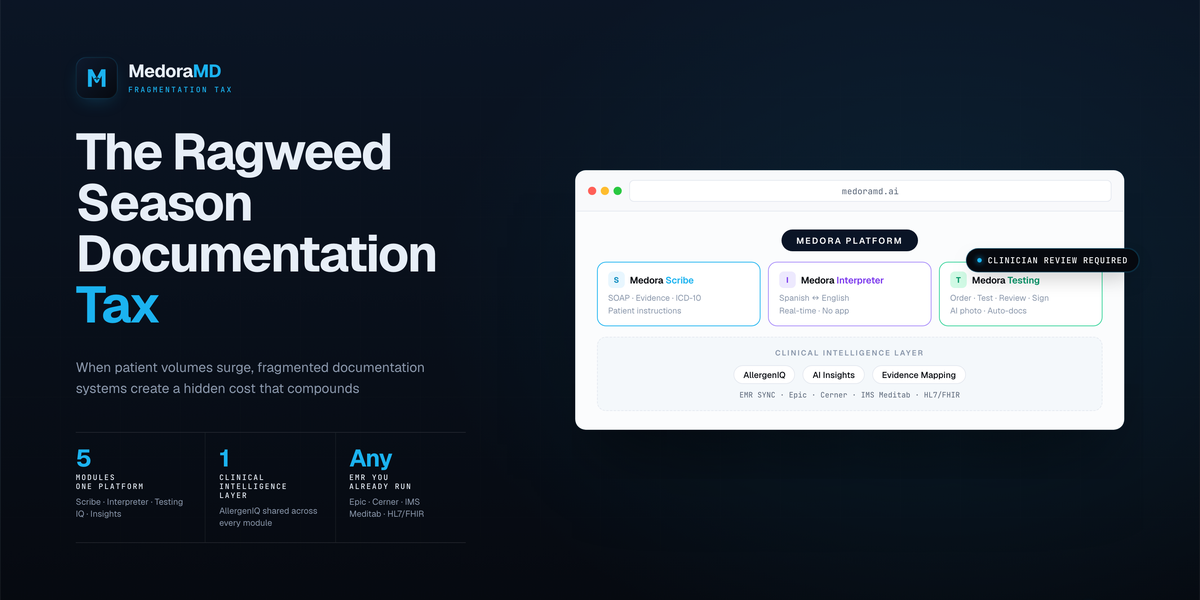
Ragweed Season Documentation Overload: How Peak Allergy Visits Compound the Fragmentation Tax
Why documentation burden compounds rather than scales during peak ragweed season, and what unified patient context changes for allergy practices.
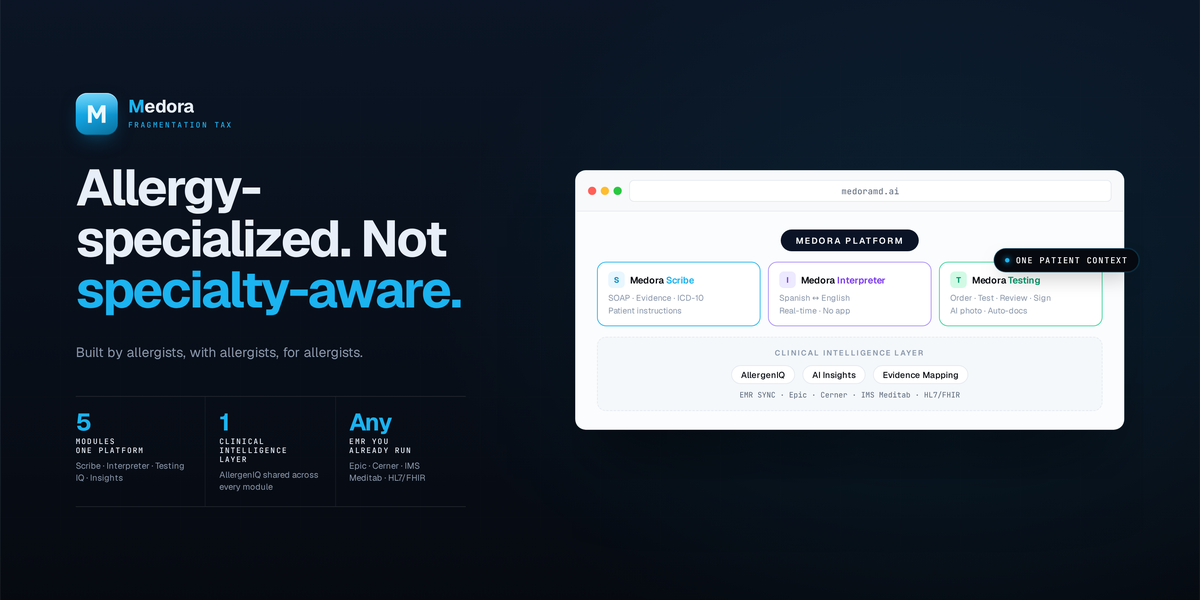
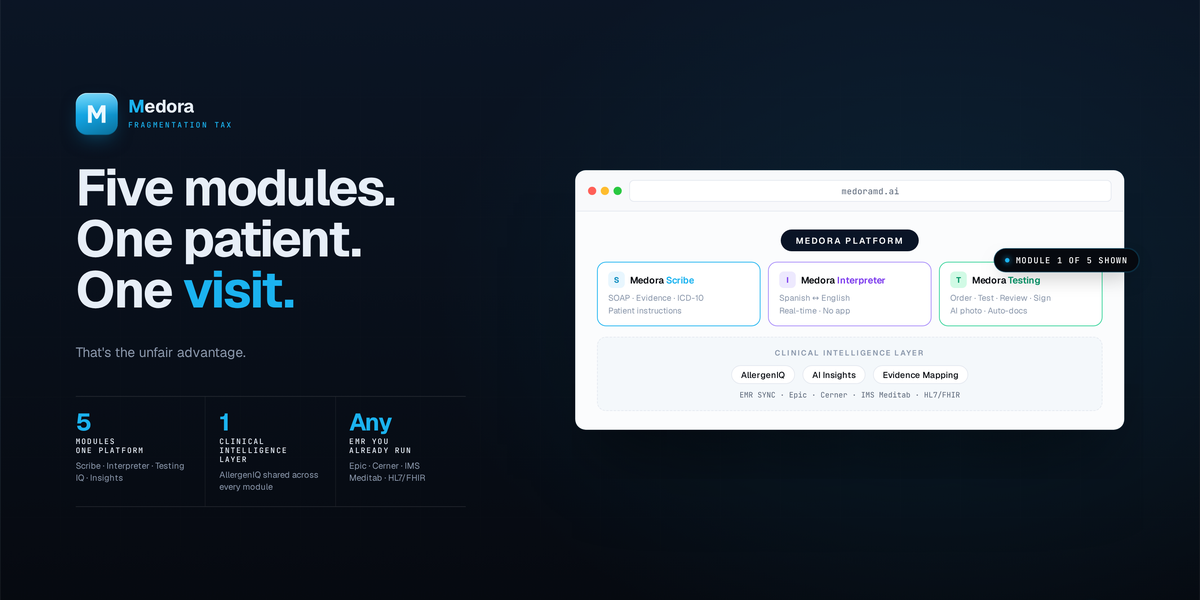
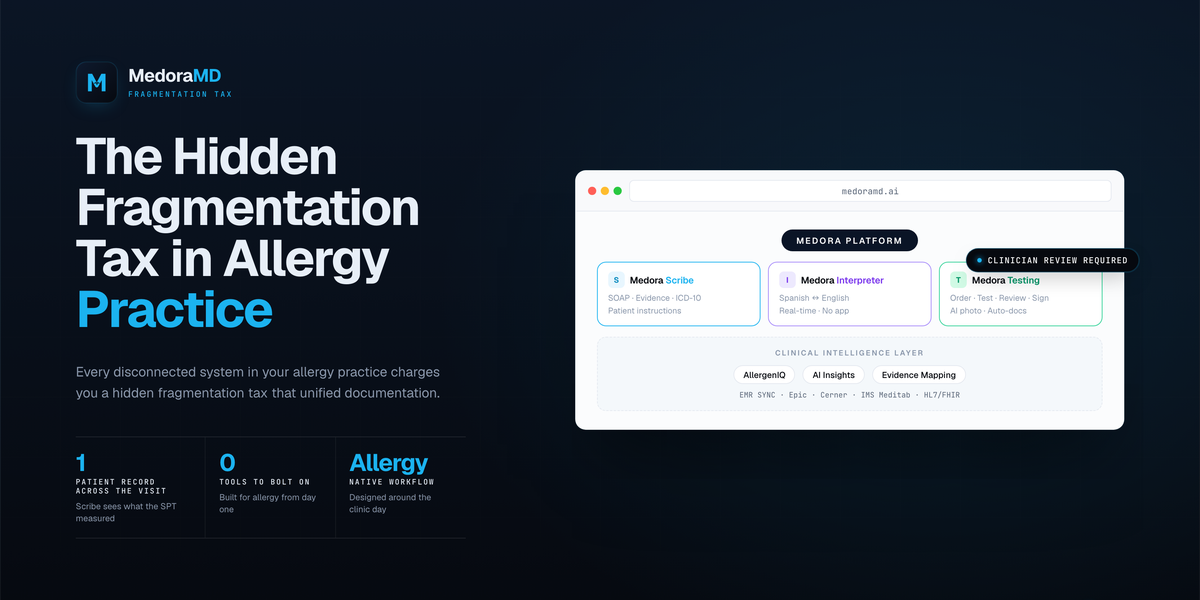
The Fragmentation Tax: Why Disconnected Documentation Systems Cost Allergists More Than They Realize
Learn how disconnected documentation systems charge allergists a hidden fragmentation tax in time, errors, and cognitive load — and why unified workflows matter.
Notes from Medora
Why we are writing, and what these notes will cover.

Why Your AI Scribe for Allergists Needs Seamless EMR Integration
A note that doesn't land in your EMR is one more copy-paste — and one more step toward burnout
Medical Answering Service Alternative: How Smart Routing Cuts Front Desk Interruptions
Routine refill and reschedule calls don't need to interrupt your team every few minutes
Medical Interpreter App for Clinics: Planning Multi-Language Support in Allergy Practices
Why Spanish-English interpretation is just the beginning for diverse allergy patient populations
Why Generic AI Scribes Don't Work for Allergists: The Case for Specialty-Trained Documentation
How Smart Learn technology adapts to your unique clinical voice and allergy-specific terminology
Medical Answering Service Alternative: How After-Hours Capture Transforms Allergy Practice Growth
Why nights, weekends, and lunch hour are your biggest patient acquisition opportunities — and how to capture them
Why Medical Interpreter Apps for Clinics Beat Phone Lines for Allergy Visits
How real-time translation preserves visit flow while documenting bilingual encounters
AI Scribe for Allergists: How Automated ICD Coding Saves Time at Sign-Off
Stop hunting for codes. Start focusing on patients.
Beyond the Medical Answering Service: How One Queue Solves Scattered Patient Requests
Voicemails, portal messages, and sticky notes create chaos. Here's how allergy clinics are centralizing patient access.
When Patients Nod Along But Leave Confused: Bridging the Communication Gap in Allergy Care
How language barriers in immunotherapy consultations impact patient outcomes and what allergists can do about it

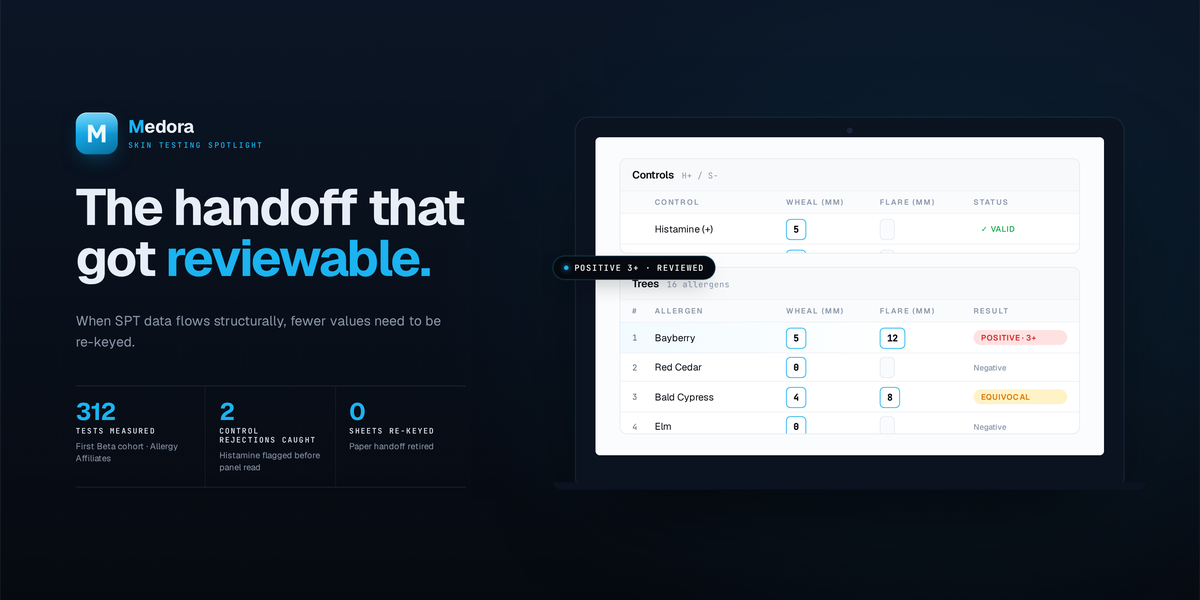
Breaking the Skin Testing Bottleneck: Why Manual Reading Caps Your Testing Throughput
How photo-based measurement and structured handoffs can triple your daily SPT capacity
Why Patients Leave Your Immunotherapy Consults Confused (And How to Fix It)
Breaking the language barrier in allergy care with real-time interpretation

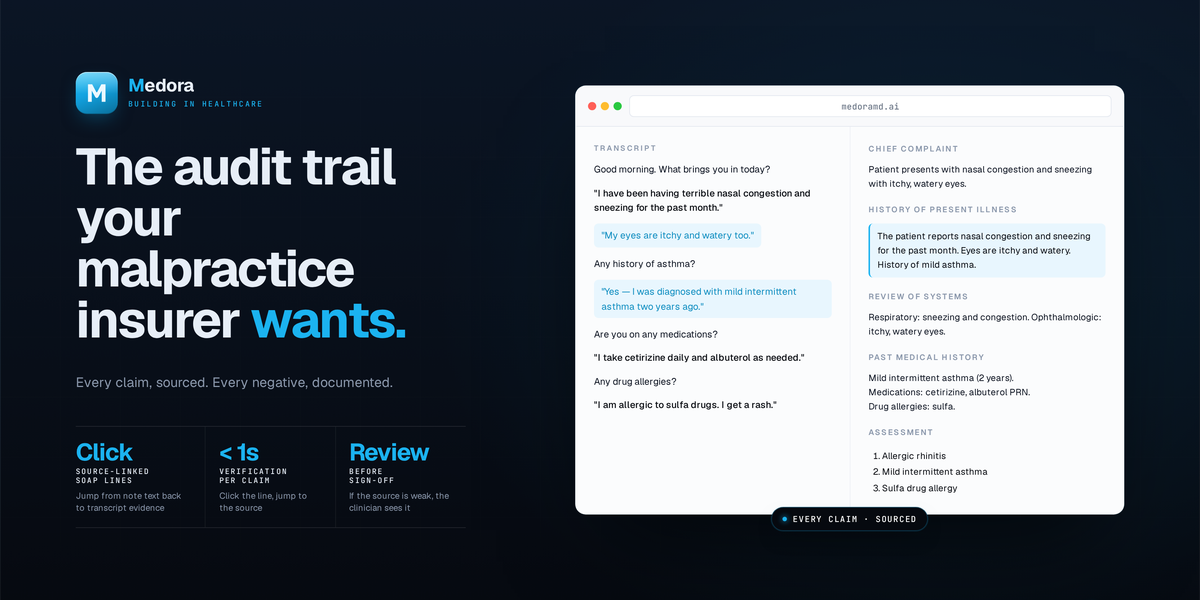
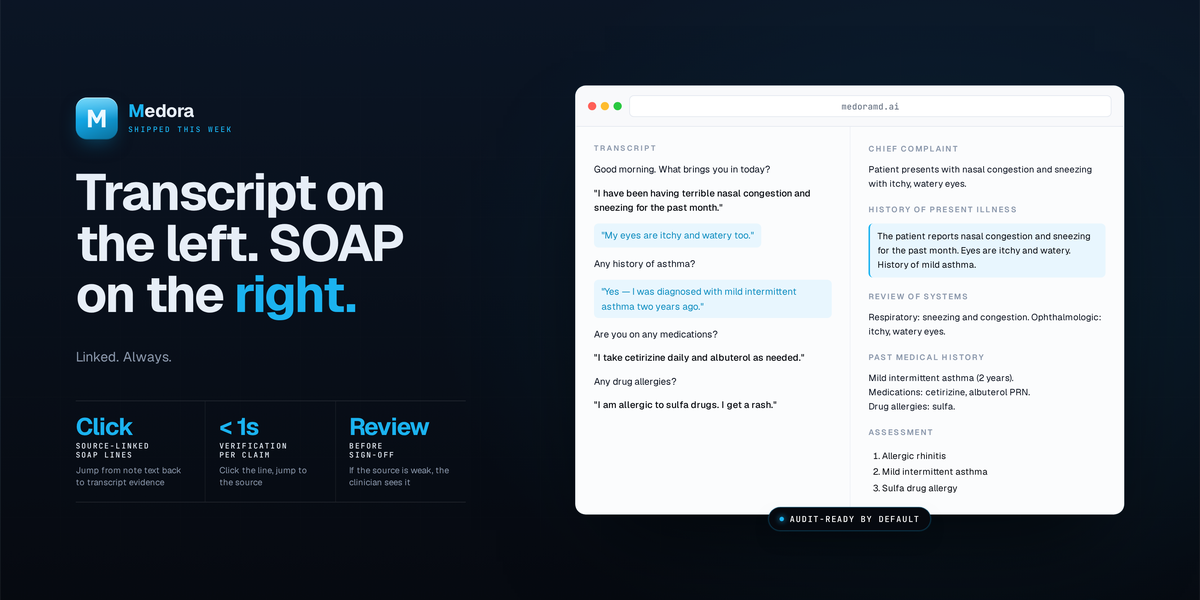
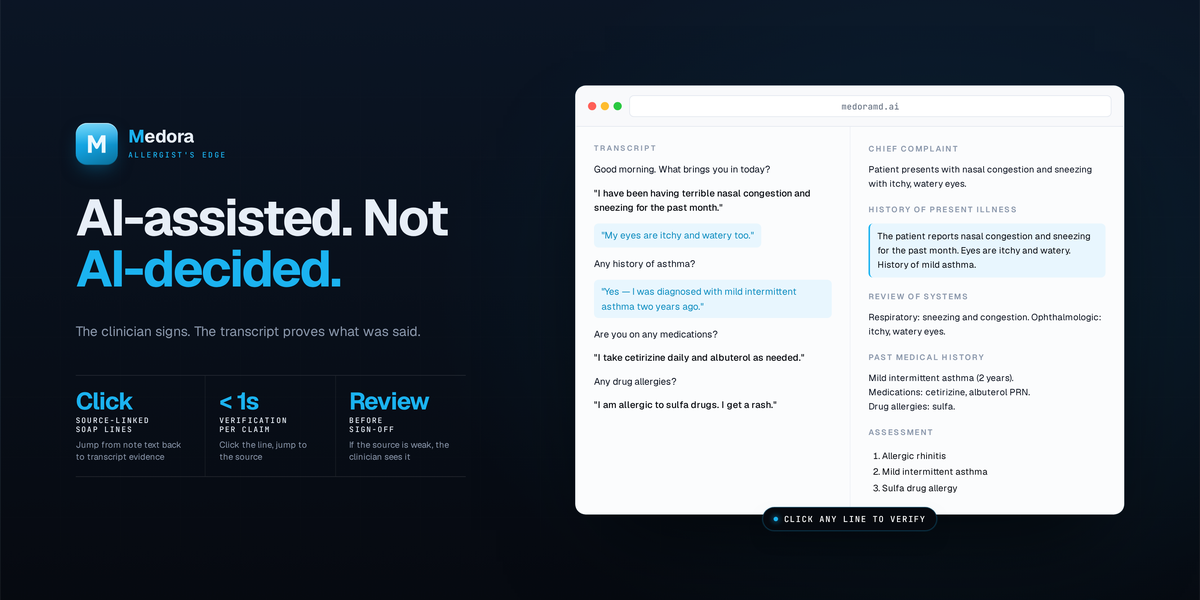
Evidence Mapping: Why Every Line in Your Allergy Notes Should Trace Back to the Room
How AI-powered documentation transparency builds clinical confidence and reduces liability risk
Breaking Down Language Barriers in Allergy Care: Why Clear Communication Saves Lives
How multilingual clinical visits improve patient safety and treatment outcomes in allergy practices

Clinical Decision Support: Why the Next Best Step Shouldn't Require Digging
How intelligent clinical recommendations can surface at the point of care without disrupting allergist workflow
Why Skin Test Reading Takes 18 Minutes Per Panel (And How AI Vision Changes That)
Photo-based measurement and structured handoffs are transforming SPT workflows in allergy clinics

Why Every Allergy Visit Starts with Chart Archaeology (And How to Fix It)
How Longitudinal Patient Intelligence transforms scattered visit data into continuous care context

The Hidden Cost of Pajama-Time Charting: How Allergists Can Reclaim Their Evenings
Why after-hours documentation is burning out allergy providers—and what to do about it
When Language Barriers Slow Allergy Care: The Hidden Cost of Communication Gaps
How real-time translation technology addresses the clinical workflow disruption that affects 40+ million Spanish-speaking Americans
Why Your AI Scribe Needs Direct EMR Integration (And Copy-Paste Isn't Good Enough)
The hidden documentation burden that's burning out allergists — and how seamless integration changes everything

The Hidden Cost of Manual SPT Documentation: Why 40-Well Panels Invite Transcription Errors
How photo-based measurement and structured handoffs reduce documentation errors in allergy skin testing

Grass Pollen Season Intelligence: Predicting Patient Volume with Environmental Data
How smart clinics use environmental forecasting to prepare for seasonal surges and optimize staffing
The Hidden Cost of Fragmented Allergy Care: Why Your Clinic Needs an Operating System
How disconnected tools are silently draining efficiency and compromising patient outcomes in allergy practices
The T4 Framework: How Precision Phenotyping Is Reshaping Severe Asthma Management
From one-size-fits-all protocols to treatable traits—and why longitudinal data tracking makes the difference
Volume Without Burnout: How One Practice Sees 40% More Patients Using AI
Allergy Affiliates demonstrates that AI-assisted workflows can multiply capacity while maintaining clinical quality
Summer Insect Sting Preparedness: Why Complete Anaphylaxis Protocols Save Lives
Ensuring your high-risk patients have accessible, complete emergency action plans before peak sting season
From 9 PM Documentation to Done-by-5: Fixing After-Hours Charting for Allergists
Every allergist knows the pain of finishing notes after dinner—here's how ambient AI changes that.
The Hidden Cost of Chart Review Fatigue: How 40-Page Patient Histories Drain Allergist Productivity
Why intelligent systems that surface critical allergy data instantly are becoming essential for clinical efficiency
Food Allergy Action Plans: Building Comprehensive Emergency Preparedness in Clinical Practice
How structured documentation and patient education tools can reduce preparation time while improving family confidence
When AI Scribes Meet Complex Allergy Patients: What Really Breaks
Real-world testing reveals critical gaps in generic AI documentation systems
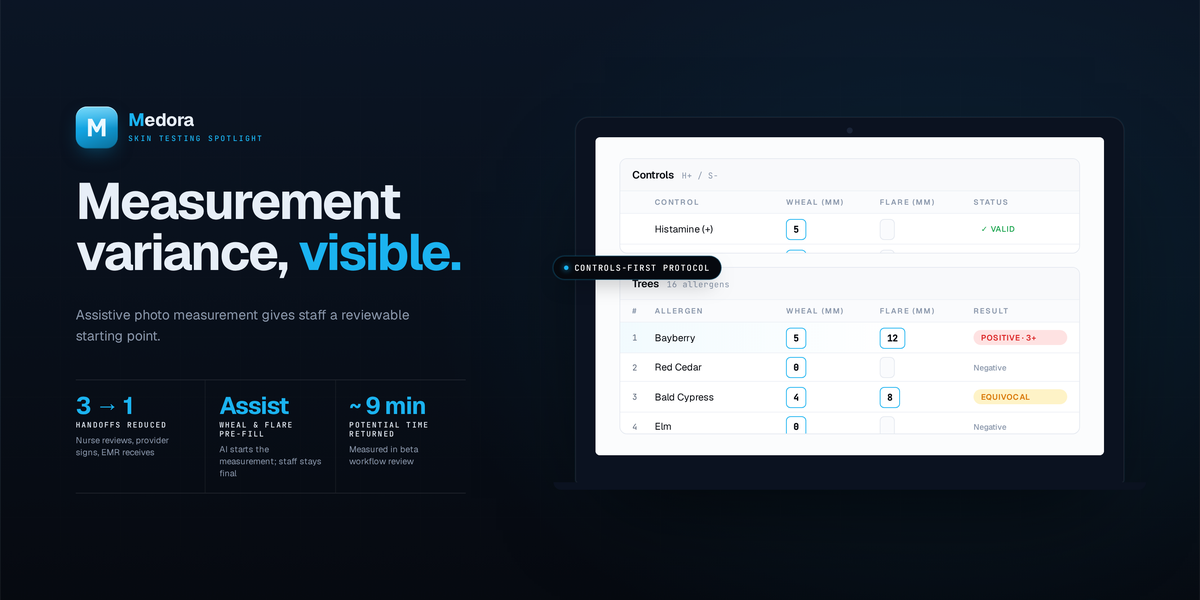
AI vs. Human Skin Test Measurements: Validation Study Results
New data shows AI can match trained nurse accuracy while standardizing SPT readings across your entire clinic

The Hidden Economics of Prior Authorization: How Documentation Burden Impacts Biologic Access
Every denied biologic authorization represents hours of clinical staff time and delayed patient care that could be prevented with better documentation...

Prior Authorization Hell: The Hidden $50,000 Annual Tax on Biologic Prescriptions
How administrative burden steals 15 hours weekly from patient care in allergy practices
Emergency Action Plans That Actually Save Lives: Moving Beyond Generic Templates
Why personalized anaphylaxis instructions matter more than standardized forms
Environmental Chamber vs. Real-World Grass Pollen: Why This Spring's Research Changes Patient Counseling
New findings reveal significant differences between controlled exposure and natural pollen seasons — what allergists need to know for more accurate...
Beyond the Human Eye: How AI Standardizes Skin Test Reading in Allergy Practice
Reducing inter-observer variability with objective measurement tools
From Symptoms to Care Plans: Why Generic Discharge Instructions Fail Allergy Patients
How personalized patient instructions in under 60 seconds improve outcomes and reduce callback volume
The Fragmentation Tax: Why Your Allergy Clinic Pays Hidden Costs for Disconnected Systems
Every disconnected tool in your practice creates invisible overhead that costs time, accuracy, and revenue

AI Governance for Small Allergy Practices: Responsibility Without the Red Tape
How to deploy AI responsibly in your clinic without forming committees or hiring compliance officers
Building Trustworthy AI for Allergy Care: Beyond Demo Performance
Why specialty-specific design matters more than impressive benchmarks

Standardizing Skin Test Measurements: Why AI-Assisted Reading Matters This Spring
How photo-based wheal measurement reduces inter-reader variability during peak allergy testing season
Environmental Chambers vs. Real-World Grass Pollen: Why Your Patients' Symptoms Don't Match the Research
New data reveals significant gaps between controlled studies and actual patient experiences during grass season
The Hidden Fragmentation Tax: Why Allergy Clinics Pay 40% More for Scattered Systems
How disconnected tools create costly overhead that unified platforms eliminate
Beyond Generic AI: Why Allergy Clinics Need Specialized Clinical Intelligence
While generic AI scribes flood healthcare, allergists need tools that understand immunotherapy protocols, skin testing nuances, and allergen...

Spring Grass Pollen SPT: Ensuring Comprehensive Timothy Grass Testing During Peak Season
Structured protocols reduce missed sensitivities when patients need answers most
The Hidden Cost of Follow-Up Failures in Allergy Practice
How missed appointments cascade into clinical complexity—and what AI can do about it

From 40-Page Chart Reviews to Instant Allergy Intelligence
How contextual AI eliminates chart review fatigue and surfaces relevant allergy data in seconds
Spring Grass Pollen Season: Why Your Immunotherapy Scheduling System Makes or Breaks Patient Outcomes
Peak pollen season exposes every weakness in your VIT adherence tracking — and the hidden cost of manual scheduling

Building AI in a Live Allergy Clinic: 6-Month Reality Check
What we learned from deploying AI tools in actual clinical workflows — the unfiltered truth
Why Generic Emergency Action Plans Fail Patients: The Case for Personalized Anaphylaxis Instructions
Individual trigger patterns and severity history should drive emergency protocols, not one-size-fits-all templates
Why Generic AI Scribes Miss Critical Allergy Details That Matter
How specialized documentation captures the nuances that general AI systems overlook
From 9 PM Documentation to 5 PM Freedom: Breaking the After-Hours Charting Cycle
The documentation burden that steals your evenings isn't inevitable—it's a fragmentation tax you can eliminate
Why Generic AI Fails at Allergy Reasoning (And What Allergists Need Instead)
New research reveals the limitations of general medical AI—and why specialty-trained systems outperform chatbots in complex immunologic reasoning
When Clinical Staff Actually Trust AI Notes: Real Lessons from Allergy Nurses and MAs
Trust isn't built through marketing promises—it's earned when nurses choose AI notes over manual documentation.
Spring Pollen Testing Strategies: Maximizing SPT Value During Peak Season
How strategic panel selection and AI-assisted allergen mapping can improve diagnostic yield when it matters most
Spring Pollen Season: How AI Documentation Streamlines Peak Volume Patient Care
When patient volumes surge to 40+ daily visits, maintaining documentation quality becomes critical—and challenging
The 15-Minute SPT Bottleneck: How AI-Powered Result Analysis Streamlines Provider Handoffs
Transforming the gap between skin test completion and clinical interpretation from workflow friction into seamless care delivery
The Hidden Environmental Triggers in Your Patients' Homes: From Building Materials to Household Chemicals
How emerging research reveals overlooked connections between indoor environments and pediatric allergies
Beyond Skin Deep: The Hidden Comorbidities Every Allergist Should Screen for in Atopic Dermatitis
Emerging evidence reveals systemic connections that demand comprehensive screening approaches

Spring Pollen Season Prep: Optimizing Patient Education with AI-Generated Resources
How personalized guidance based on SPT results and local pollen data transforms generic allergy advice into actionable patient care

Spring Pollen Season Documentation: How AI-Assisted Notes Capture Complex Exposure-Symptom Patterns
Climate change is making pollen seasons longer and more unpredictable. Here's how AI documentation helps allergists track the patterns that matter for...
The Gut-Nose Connection: How Microbiome Science is Reshaping Allergic Rhinitis Management
Emerging research suggests the path to better AR outcomes may run through the digestive tract

Simplifying SLIT Education: Age-Appropriate Communication Strategies That Actually Work
How matching patient education to developmental stages improves sublingual immunotherapy adoption and adherence
Age-Specific SLIT Protocols: Why One Size Doesn't Fit All in Pediatric Immunotherapy
Emerging research reveals how developmental milestones should guide sublingual immunotherapy dosing and monitoring in children

When Thunderstorm Asthma Strikes: AI Documentation for Clinical Chaos
How intelligent scribes help allergists capture patterns and insights during epidemic surges
Thunderstorm Asthma: How AI-Powered Weather Prediction Could Transform Emergency Preparedness
Integrating meteorological data with pollen monitoring to anticipate pollen rupture events before they overwhelm your clinic
Thunderstorm Asthma: How Weather Data Integration Could Transform Emergency Preparedness
Emerging research on atmospheric conditions and pollen rupture opens new pathways for predictive patient alerts
From 'It's Just an Allergy' to Precision Diagnosis: Educating Patients on Non-IgE Reactions
Clear communication about reaction types prevents misdiagnosis and improves patient understanding

Streamlining SPT Handoff Workflows: From Nurse Testing to Provider Review in Under 15 Minutes
How optimized skin prick test workflows eliminate bottlenecks and improve clinic efficiency
AI Scribe Revolution: How Smart Documentation is Transforming Allergy Practice Efficiency
Why specialized AI copilots outperform generic scribes for complex immunotherapy and testing workflows
The Allergens Hiding in Plain Sight: Why Chlorhexidine and Latex Still Catch Us Off Guard
Healthcare facility exposures remain among the most dangerous—and most overlooked—triggers in allergy practice

Environmental Charge Effects on Spring Pollen: What Allergists Need to Know for 2026
Emerging research reveals how atmospheric electrical activity affects pollen rupture, adding complexity to spring allergy management
Beyond the Pollen Count: Personalizing Environmental Control Strategies for Spring Allergies
How to translate local environmental data into actionable patient guidance that actually works
AI-Powered Skin Prick Test Interpretation: Beyond Visual Assessment
How artificial intelligence is standardizing SPT reading protocols and reducing inter-observer variability in busy allergy clinics
AI Scribe Technology Transforms Allergy Documentation: From Manual Notes to Intelligent Clinical Summaries
How artificial intelligence is reducing administrative burden while improving clinical accuracy in allergy practice
Spring Pollen Season 2026: How AI-Powered Pattern Recognition Transforms Allergic Rhinitis Management
When peak pollen meets AI copilots, allergists gain unprecedented insight into treatment patterns and patient responses
AI-Powered Clinical Decision Support: Transforming Allergy Diagnosis and Monitoring
How intelligent systems are enhancing clinical insights while keeping allergists at the center of care
Spring Allergy Season Prep: Optimizing Skin Prick Testing for Tree Pollen Allergies
Strategic timing and technique refinements that help allergists deliver more precise diagnoses when patients need them most

AI-Powered Allergy Diagnosis: The Future is Here in 2026
How intelligent copilots are enhancing diagnostic accuracy while preserving clinical autonomy
Spring Pollen Season 2026: How AI-Powered Clinical Documentation Captures Peak Allergy Patterns
As pollen counts surge this spring, AI documentation becomes essential for tracking the nuanced seasonal patterns that drive personalized allergy...
From 40-Page Histories to 40-Second Reviews: AI-Powered Chart Analysis for Busy Allergists
How intelligent data extraction can eliminate chart review fatigue while ensuring nothing critical is missed
AI-Powered Allergy Care: From Diagnosis to Personalized Treatment Plans
How artificial intelligence is supporting allergists in precision diagnosis, monitoring, and personalized care delivery